



Blog / Parts

Blog

All Parts Safety Features Carmel GMC Dealer Tips and Tricks 2025 Model Year GMC SUV Truck Maintenance Towing Capacity Carmel Buick Dealer Infotainment Pickup GMC Information Buick Hummer Ed Martin Buick GMC Service EV Offroad Service Buick Envista Sierra 1500 Brakes Carmel Buick Service Car Battery GMC Canyon Sierra 2500 HD Yukon Buick Enclave GMC Terrain Sierra 3500 HD Acadia Buick Information Encore GX Sierra HD Yukon XL Buick Envision Crossover Ed Martin Buick GMC Envista Oil Change Tires
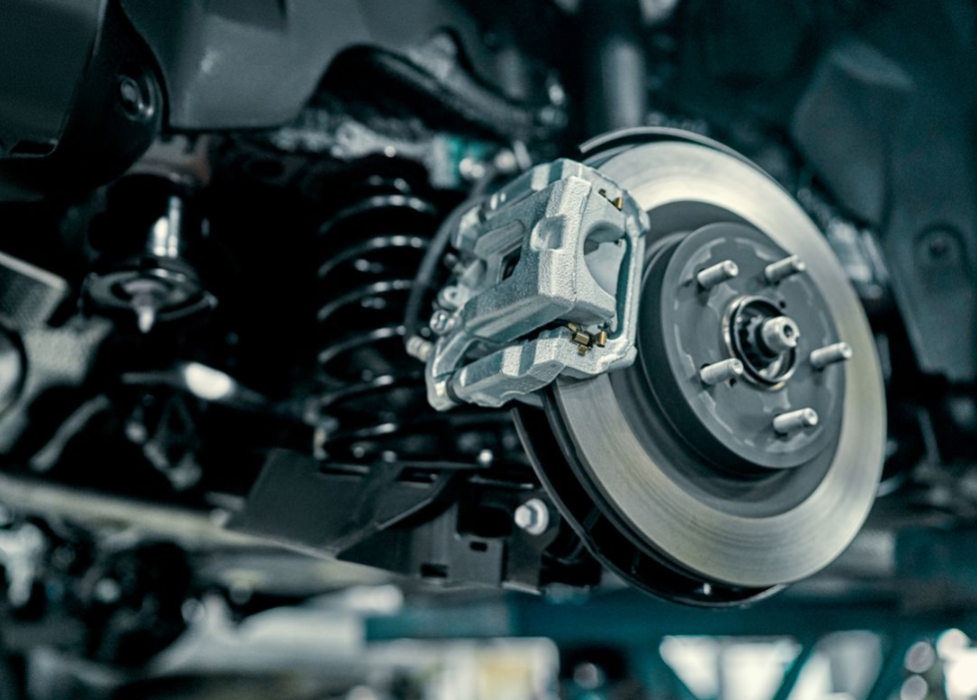
Brake pads being worked on at a service center near Carmel, Indiana

3 Signs Your Vehicle Needs a Brake Repair

​​​​​​​​​​​​​​​​​​​​​​​​​​​​​​​​​​​​​​​​​​​​​​​​​​​​When driving, you need to know that your brakes will work instantly if you need them. As time goes by, brake components will wear out or become damaged, and your brakes will become less responsive. If you're close to Carmel, IN, we can quickly and efficiently repair any brake problem. We'd like you to know some signs you need to visit us for a brake repair. more Soft Brake Pedal Your braking system requires force and pressure to bring your wheels to a stop. The brake fluid in the system is highly pressurized and provides the essential hydraulic pressure that pushes the calipers against the rotors to generate the friction necessary to stop your vehicle. You can feel the pressure in the system as it supplies increased resistance the harder you press down on the brake pedal. A soft brake pedal is a condition where you feel little resistance when you step on the pedal. This is a dangerous situation, as the lack of resistance means your brakes won't stop your vehicle as quickly as you may need to. Low resistance could be caused by a brake fluid leak or a blockage in the brake hoses. We'll investigate and fix the problem. Vibrations When You Brake If you feel strange vibrations when you hit the brakes, you could have a damaged brake rotor could be damaged. The rotors are flat metal disks positioned behind the wheels. They have smooth surfaces, which makes it easier for the calipers to grab and push against them to generate the friction that stops the wheels from moving. The friction generated between the pads and the rotors generates intense heat. The heat can cause some of the pad's adhesive to liquefy and spread across the rotor surface. The adhesive will swiftly dry on the rotor and create an uneven surface. When a caliper grabs the uneven surface, it will generate vibrations you'll feel through the pedal. We'll clean or resurface the affected rotors and the vibrations will disappear. Pulling to One Side When you hit the brakes, all four calipers grip the rotors simultaneously to stop your vehicle. If you feel your car pull to one side, you probably have a damaged caliper. If a caliper doesn't correctly engage, its rotor will continue to turn, and your car will pull toward the side of the working caliper. A caliper could fail due to a blockage in the hose carrying brake fluid to it, or it might have rusted. We'll repair the affected caliper, and your brakes will work correctly again. If you have a brake problem, contact our service department today at Ed Martin Buick GMC in Carmel, IN.
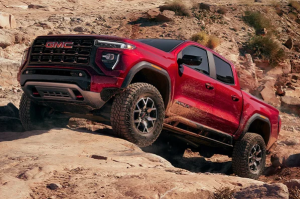
A 2024 GMC Canyon driving offroad in a rocky, desert-like area near Carmel, Indiana

4 Benefits of Getting OEM Parts From Your GMC Dealer

Going to your local GMC dealer for any repairs and parts replacements that you need is highly beneficial for many reasons. One major benefit of always seeking your car maintenance or repairs from the dealer is access to OEM parts, which are the parts you want in your car when you need to replace a component. more 1. The Parts Are Under Warranty For the first three years, your GMC is under warranty, which covers the cost of any necessary repairs. This includes the cost of parts. Dealers always use OEM components and honor your car's warranty. So, heading to the dealership and getting OEM components, which are covered under warranty, is always the smartest option financially, especially within the first three years of owning your car. 2. The Parts Are Always Extremely High Quality A dealership would never use parts that aren't high-quality, and OEM components are always made with the best materials for the job. These components are rigorously inspected and tested, ensuring they're as high-quality as they can possibly be. Aftermarket parts aren't tested to the same extent, and they're not always made with the same high-quality materials as OEM ones, either. In many cases, aftermarket parts are made of poor-quality materials that break down not long after they're installed. 3. The Parts Are Easy to Find and Fix With OEM components, the technicians at your dealership can more quickly understand the exact part your car needs and where to get it from if it's not already in stock. When the part arrives, it can be fitted into your car with no extra adjustments. The same can't always be said for aftermarket components. Because aftermarket parts are made to fit into as many car makes and models as they possibly can to be cost-effective, they often need to be adjusted before being fitted into your car. The adjustment adds time and labor costs to any parts replacement. 4. The Parts Are Always the Same When you replace broken parts in your car with aftermarket components, you can never be sure how the part will work. One aftermarket part may work much better than another, even if it's meant to be the same part. Plus, one aftermarket part may last five years, but another might just last one. When you get OEM components, you always know the parts are compatible with your car, and their longevity doesn't significantly vary. If you need a part for your car, then you can always get it through us. Visit Ed Martin Buick GMC or order parts on our website today.

Contact Us

Fill out this form below and we'll contact you shortly
*Required Fields